“This topic is shared for reflection only and does not seek to impose doctrine.”
Celebrating the birth of Jesus Christ is not merely a cultural tradition-it is a proclamation of God’s redemptive love entering human history.
1. The Incarnation: God “Jesus Christ” With Us
Jesus’ birth marks the Incarnation-God “Jesus” taking on human flesh.
“The Word became flesh and dwelt among us.” — John 1:14
By celebrating His birth, Christians affirm that:
- God stepped into human suffering
- Salvation began not with power, but with humility
- Redemption entered the world through obedience and love
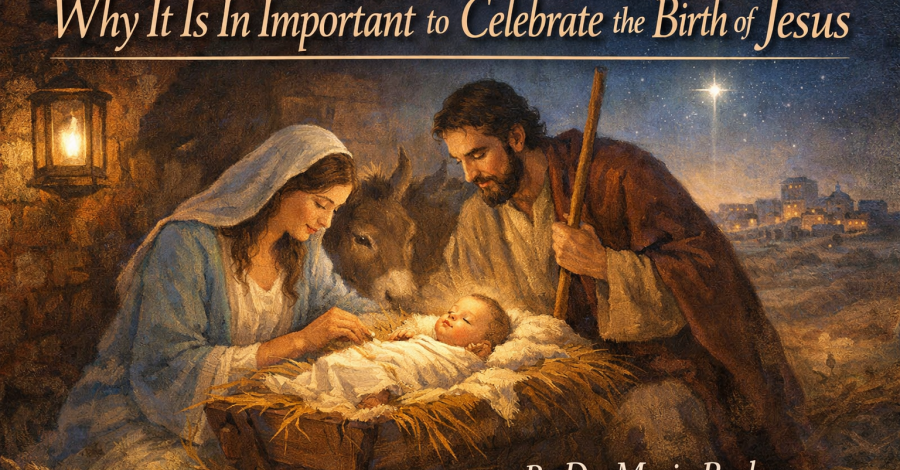
Jesus did not arrive as a king in a palace, but as a child in a manger-revealing God’s heart for the humble, the poor, and the broken.
What the Incarnation Means in Christianity
The Incarnation means:
God the Son (Jesus Christ) became fully human while remaining fully God.
This belief is central to Christian faith:
- “The Word became flesh and dwelt among us.” — John 1:14
- “In Christ all the fullness of the Deity lives in bodily form.” — Colossians 2:9
- “Though He was God… He humbled Himself.” — Philippians 2:6–8
Without the Incarnation:
- Jesus cannot fully reveal God
- Jesus cannot fully redeem humanity
- Salvation theology collapses
2. Fulfillment of Prophecy
The birth of Christ fulfilled centuries of prophecy:
- Isaiah 7:14 — “A virgin shall conceive…”
- Micah 5:2 — Born in Bethlehem
- Isaiah 9:6 — “For unto us a child is born…”
Celebrating His birth is a declaration that God keeps His promises.
3. Hope, Light, and New Beginnings
Jesus’ birth represents:
- Light overcoming darkness
- Hope entering a fallen world
- Peace offered to humanity
“The people who walked in darkness have seen a great light.” — Isaiah 9:2
Christmas is not only about remembering an event-it is about renewing hope in Christ today.
Why Did the Early Church Choose December 25th?
The Bible does not specify the exact date of Jesus’ birth. December 25th was chosen for theological and pastoral reasons, not because Scripture demanded it.
1. To Affirm Christ as the True Light
In the Roman world, December marked the winter solstice-a time when days begin to grow longer. Early Christians used this symbolism to proclaim:
Christ is the Light of the World (John 8:12)
Celebrating Jesus’ birth during darkness emphasized that light triumphs over darkness.
2. To Redeem, Not Imitate, Pagan Culture
While some pagan festivals occurred around this time, the Church did not worship pagan gods. Instead, they:
- Reclaimed the date
- Replaced false worship with truth
- Declared Christ as Lord over all seasons
This was spiritual transformation, not compromise.
3. Early Christian Tradition
Some early Church theologians believed Jesus was conceived on March 25th (associated with creation and redemption). Adding nine months places His birth in December-symbolizing divine order and fulfillment.
Did All Early Christians Celebrate Jesus’ Birth the Same Way?
No. Faithful Christians expressed devotion differently, depending on spiritual focus and calling.
1. Some Focused More on Resurrection Than Birth
In the early centuries, many Christians emphasized:
- The Resurrection
- The Cross
- Martyrdom and eternal life
This was especially true during persecution, when suffering and resurrection hope were central.
2. Holy and Devout Believers Celebrated Quietly
Some deeply spiritual Christians:
- Avoided public celebrations
- Focused on fasting, prayer, and contemplation
- Honored Christ inwardly rather than through festivals
This was not rejection of Jesus’ birth-but a different expression of reverence.
3. Unity Without Uniformity
The Church has always held space for:
- Celebration and silence
- Joy and reflection
- Tradition and conscience
“Each one should be fully convinced in his own mind.” — Romans 14:5
What matters most is the heart’s devotion to Christ, not the date or style of celebration.
Why Christmas Matters Theologically (Because of the Incarnation)
Christmas is meaningful because of the Incarnation.
Without it:
- Jesus’ birth is just another birth
- The manger has no redemptive meaning
- The Cross loses its saving power
Christmas proclaims: God “Jesus Christ” entered human history to redeem it from within.
A Balanced Christian Perspective Today
A mature Christian understanding holds both truth and grace:
- 🎄 Christmas is meaningful because it celebrates God “Jesus Christ” entering the world
- 📅 December 25th is symbolic, not doctrinal or Biblical
- ❤️ Faithfulness is measured by obedience, not festivities
Whether celebrated with:
- Worship services
- Family gatherings
- Quiet prayer
- Acts of charity
The purpose remains the same:
To glorify Christ, the Savior who came to redeem humanity.
Final Reflection
Jesus’ birth is the beginning of the Gospel story-a story of love, humility, sacrifice, and redemption.
Celebrating it reminds us:
- God came near
- Hope was born
- Salvation began in a manger
The question is not how or when we celebrate-but whether Christ is truly honored in our hearts.
Prayer of Gratitude to Jesus Christ
Lord Jesus, Thank You for Your love, Your mercy, and Your faithfulness.
Thank You for walking with us in every season of life, for bringing hope where there is despair,
peace where there is fear, and light where there is darkness.
We are grateful for Your sacrifice, for Your teachings, and for the grace You pour out upon us each day.
Thank You for never leaving us, for hearing our prayers, and for loving us even when we fall short.
Teach us to live with thankful hearts, to love as You love, to forgive as You forgive, and to walk in humility and truth.
Today, we offer You our gratitude, our trust, and our lives.
May all that we do bring honor to Your name. Amen.
A Warm Wish!
Merry Christmas!
May the joy of Christ’s birth fill your heart with peace, hope, and renewed faith. May His love shine brightly in your life and home today and always.
By: Dr. Maria Pinto Barbosa www.drmariabarbosa.com
Discover more from Dr Maria Barbosa
Subscribe to get the latest posts sent to your email.